
 Career Tips
Tim McGraw Sells His Class Ring For A Dream In "Pawn Shop Guitar" And Celebrates 250 Years With "Song For America" - That Eric Alper

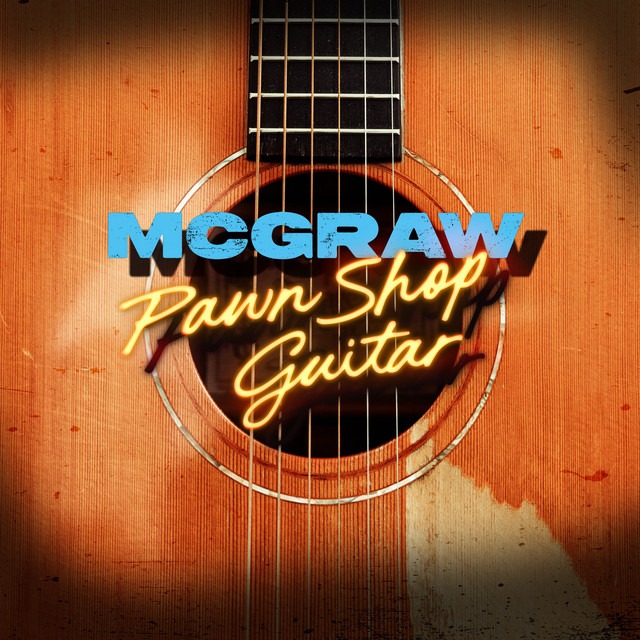
Before Tim McGraw became a three-time Grammy winner and one of country music’s biggest stars, he was a young man who sold his class ring to buy a cheap guitar from a pawn shop. That memory is now the centrepiece of “Pawn Shop Guitar,” one of two songs marking his return to recording after more than a year away. The other, “Song For America,” was written to commemorate the United States’ 250th anniversary, reflecting on the country’s landscapes, people and military service members. Available now through McGraw Music and Turbo Tonk Records, the songs explore two different kinds of history: the personal sacrifices behind one man’s career and the shared experiences of a country celebrating a milestone birthday.
“Pawn Shop Guitar” takes McGraw back to the days when a successful music career was still a distant possibility.
Long before the sold-out concerts and awards, there were street corners, small amounts of money and the determination to make something happen with whatever resources he had.
One of those early decisions involved selling his class ring.
For many people, a class ring represents years of education, friendships and memories. McGraw traded his for something that could help him pursue the future he wanted.
The money bought him an inexpensive pawn shop guitar, an instrument that would become part of the story of his beginnings as a musician.
It’s an image that says plenty about the relationship between ambition and sacrifice.
McGraw was willing to give up something associated with his past for an opportunity to pursue music, even without knowing where that decision would lead.
He revisits those experiences in “Pawn Shop Guitar,” written with longtime collaborator Tom Douglas.
The song recalls the uncertainty of trying to establish himself as a performer, including the experience of singing on street corners for whatever money passersby were willing to offer.
Those memories provide a considerable contrast to the career McGraw eventually built.
For decades, his songs have filled arenas, topped country radio charts and become familiar parts of people’s lives. Yet the story behind “Pawn Shop Guitar” returns to a period when simply owning an instrument required a meaningful personal sacrifice.
That reflection became especially significant following a difficult period in his life.
McGraw has spoken openly about the back and knee problems that interrupted his career and forced him to spend time away from his usual performing schedule.
The physical challenges were demanding, but the experience also gave him an opportunity to reconsider aspects of his life that can be difficult to examine during a busy touring career.
“This is the first new music I’ve put out in over a year,” he explained when introducing the songs.
He described the time away as challenging, while acknowledging that it provided something valuable: an opportunity to reflect and write about experiences he hadn’t previously explored in such personal detail.
For someone whose career has included countless songs about relationships, family and the passage of time, revisiting his own earliest musical experiences offered a different songwriting perspective.
“Pawn Shop Guitar” emerged from that process.
The track also provided the name for McGraw’s 2026 North American headlining tour, connecting the story of his modest beginnings to the enormous stages he now performs on.
That contrast is especially striking when considering the scale of the tour.
The 33-date run included major stadium concerts at Hersheypark Stadium in Pennsylvania, Boston’s Fenway Park and Target Field in Minneapolis.
The stadium performances featured special guests The Chicks and Lady A, with 49 Winchester and Timothy Wayne providing additional support across the tour.
It’s a remarkable distance from the young musician who once exchanged his class ring for a secondhand guitar.
But the story also demonstrates why personal memories can provide compelling inspiration for country songwriting.
McGraw’s experiences are specific to his life, yet the idea of sacrificing something important to pursue a dream is recognizable far beyond the music industry.
Whether someone has taken a financial risk, moved away from home or given up a familiar source of security, the uncertainty surrounding those decisions can leave a lasting impression.
For McGraw, that uncertainty became part of a career that eventually brought him international success.
His second song, “Song For America,” approaches the idea of looking back from a much broader perspective.
Written by JT Harding and Tom Douglas, the recording commemorates the 250th anniversary of American independence through a tribute to the country’s people, geography and history.
Rather than focusing on a single personal experience, the song reflects on what connects people across different regions and communities.
Its lyrics acknowledge the diversity of opinions that exist throughout the United States, while expressing gratitude for the opportunities and experiences associated with American life.
The song also pays tribute to military personnel and veterans, incorporating imagery of Arlington National Cemetery and the American flag.
Those references give the recording a commemorative character, connecting the nation’s anniversary with remembrance of those who served.
For McGraw, the material offers an opportunity to explore another familiar country music tradition.
Songs about national identity have long occupied a place within the genre, often using recognizable places, historical references and personal experiences to consider what belonging to a country means.
“Song For America” draws from that tradition while acknowledging the different perspectives that exist within American society.
The fact that both recordings were introduced together makes their contrasting subjects especially interesting.
One looks inward, exploring the beginnings of a musician’s career and the sacrifices he made along the way.
The other looks outward, examining a national anniversary through the language of gratitude, remembrance and shared history.
Both connect to McGraw’s experiences as a performer who has spent much of his life travelling across the United States.
His career has taken him from small stages to stadiums, introducing him to audiences in communities whose lives and perspectives differ considerably.
That extensive touring history provides another context for a song concerned with the country’s people and landscapes.
The recordings also reflect McGraw’s renewed focus on songwriting following his recovery from physical difficulties.
For an artist accustomed to demanding touring schedules, an extended period of rest created room for a different creative rhythm.
He has described the experience as an opportunity to reconnect with stories from his past, including memories that hadn’t previously become songs.
That approach is especially evident on “Pawn Shop Guitar,” where an object from his youth becomes a way of revisiting the decisions that shaped his future.
The accompanying tour also highlighted his continued relationship with longtime country audiences.
The Chicks and Lady A represent different periods of modern country music, while 49 Winchester bring an Americana-influenced sound to the lineup.
Together, the performers reflect the musical variety that has become part of contemporary country concerts.
McGraw also expanded his fan experience through McGrawONE+, a premium membership offering that included exclusive ticket presale opportunities.
For an established performer, those initiatives provide another way of connecting with listeners who have followed his career across multiple decades.
But the personal stories behind the two recordings remain their most distinctive feature.
“Song For America” offers a musical tribute to a country marking 250 years, while “Pawn Shop Guitar” returns to a time when McGraw was trying to find his place within that country’s music industry.
One celebrates a nation’s history. The other remembers the day a young musician decided that owning a guitar was worth more to him than keeping his class ring.
And after everything that followed, it’s easy to understand why Tim McGraw still remembers that particular purchase.